Shorter chains
Reduce the number of transfers before reducing the number of places.
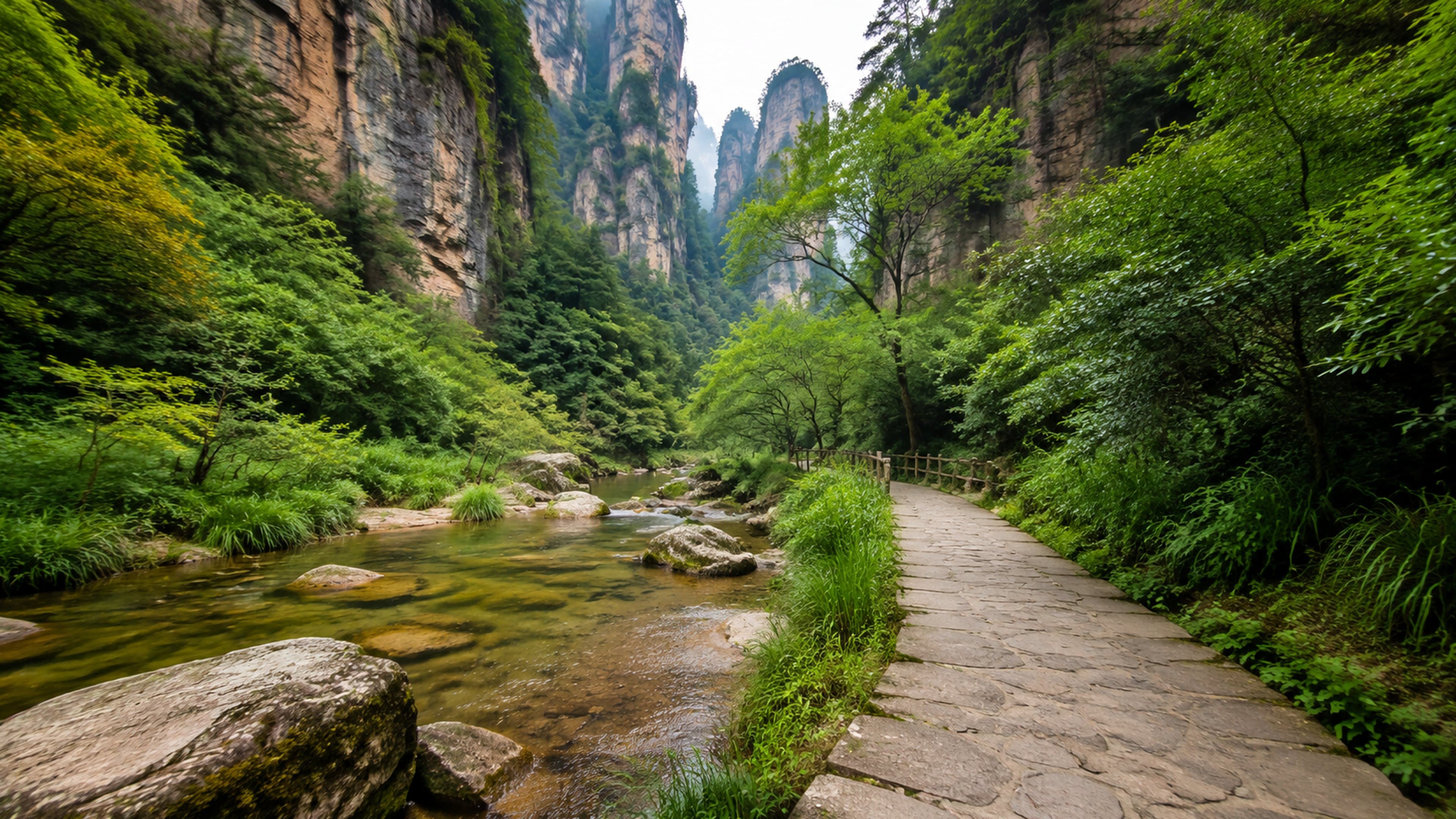
Families, older travelers and low-stamina groups do not need a smaller trip. They need fewer exposed stairs, shorter transfer chains and better rest placement.
A route can look short on paper and still feel brutal when it stacks shuttle waits, elevators, cableways, exposed stairs, glass walks and no proper meal break.
Reduce the number of transfers before reducing the number of places.
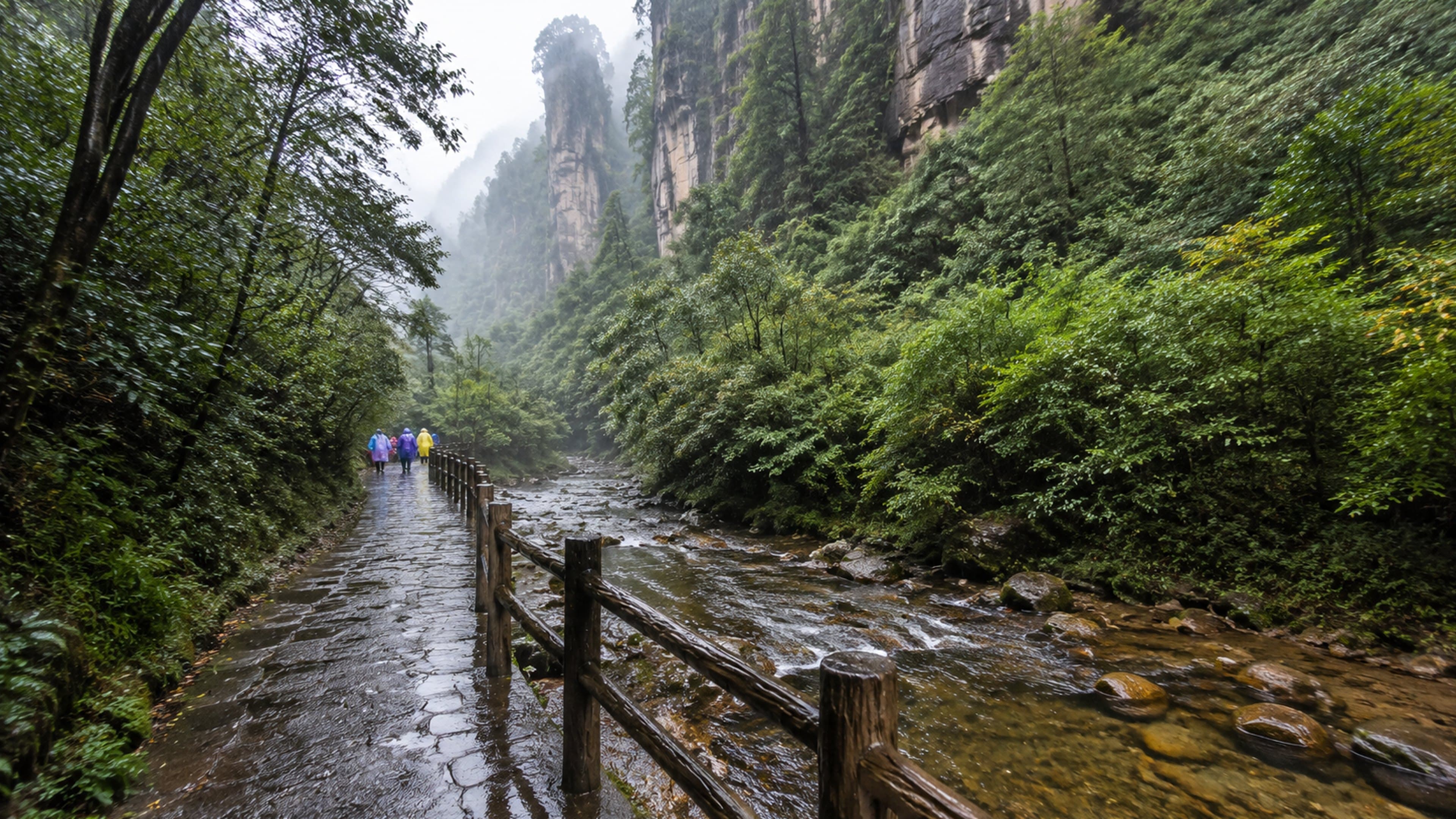
Use valley walks and food breaks as real parts of the day.
Place rest before the group is already done.
Show how the day keeps a scenic high point, adds a lower trail and protects meal/rest windows instead of deleting Zhangjiajie.
Use body-fit blocks and rest windows; do not imply medical advice.
A low-stamina route should still have a strong memory. It just removes the second and third energy spikes that usually break the day.
Use lodging and pickup position to avoid a long transfer before the park starts.
Pick the clearest high-viewpoint chapter instead of chasing every famous platform.
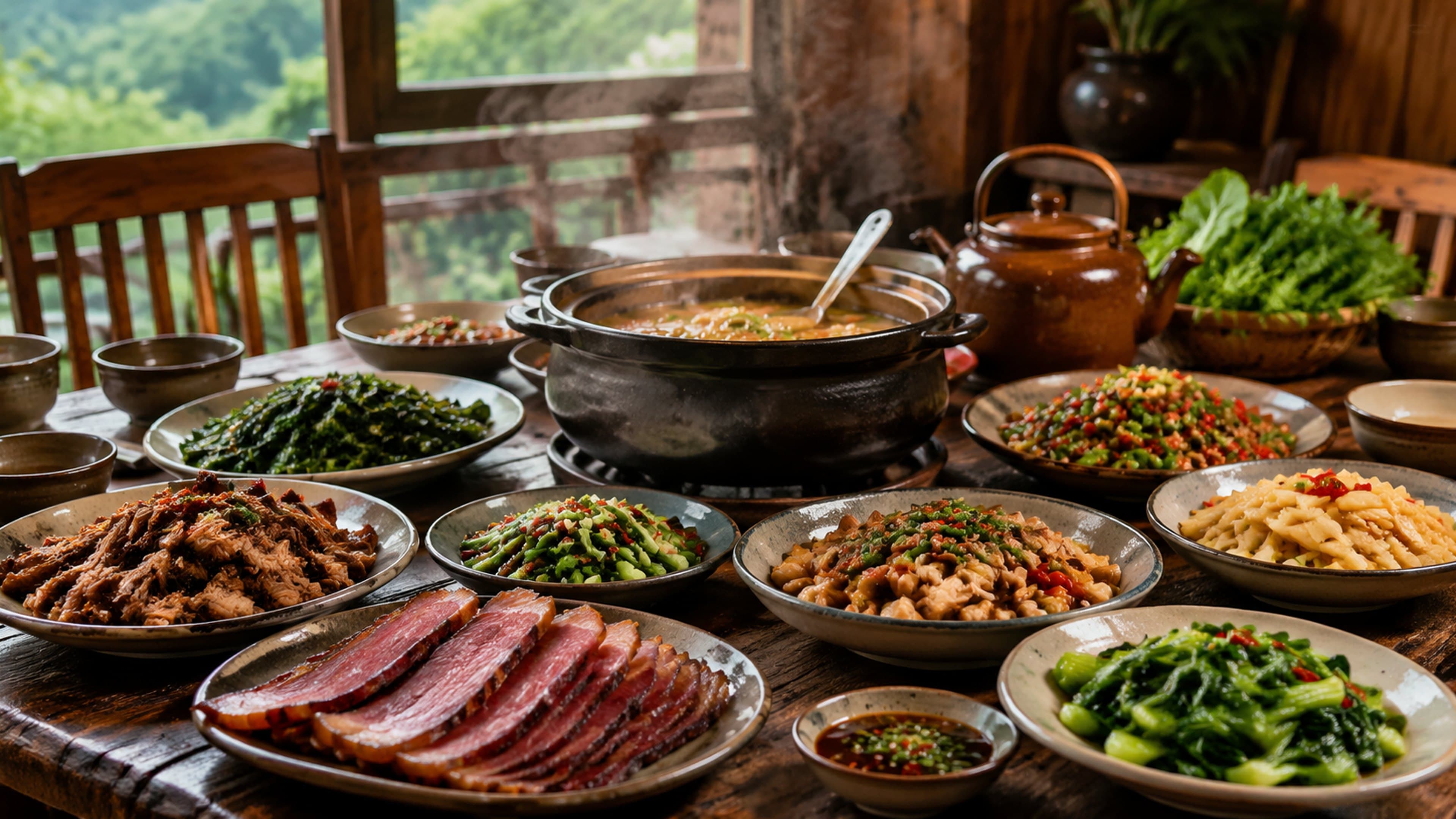
Meal time is route protection, especially with children or older travelers.
Use Golden Whip Stream or another lower layer when stairs or crowds are building.
A gentler planning guide for reducing stairs, shortening transfers and keeping Zhangjiajie attractive without exhausting the group.
Children usually lose the day through waiting, hunger and unclear next steps before they lose it through distance.
Keep one high scenic reward, then build food and a lower walk before the afternoon slump.
Knees, stair rhythm and recovery windows matter more than checking every famous platform.
Reduce exposed stair stacking and use seated transfer or meal pauses as part of the route.
Glass, cableway and open stair sections can turn a scenic day into a stress test.
Make exposed sections optional and keep forest or valley texture as the scenic anchor.
The best low-elevation layer for keeping the day scenic without constant stairs.
Use the forest-park guide to choose one strong scenic chapter instead of chasing every platform.
Meal timing is part of the gentle route, not a leftover after the views.
The route should reduce the right pressure: stairs, queues, transfers or fear of heights.
The group gets every famous name but loses the actual day.
Rest works best before the group has already stopped enjoying the place.
A gentle plan still needs a clean way to shorten the day.
A useful gentle route changes transfer chains, stair exposure, meal timing and the final mountain day.
Plan a gentler route